



Introduction
Green technologies are becoming increasingly relevant in today's world, as growing awareness of the impact of human activities on the environment prompts the search for new, sustainable solutions. Green electronics is an industry that encompasses the development and implementation of technologies that minimize negative environmental impacts. According to research, the global green electronics market is growing, in particular due to increasing regulations on sustainable development and reducing negative environmental impacts.
In this article, we will examine how green electronics can contribute to the sustainable development of new technologies. It is important to consider the implications of the introduction of green technologies for the electronics industry, as well as to identify the most pressing challenges in this field. The aim of this article is to highlight the importance of green electronics, identify the challenges faced by this field, and present innovative solutions to promote sustainable development.
Basics of eco-friendly electronics
Definition of eco-friendly electronics
Green electronics is a relatively new term that encompasses the development of electronic devices and systems with consideration for their environmental impact throughout their entire life cycle. This means that from the initial development stage to disposal, all stages should be carried out with environmental and social aspects in mind. Green electronics includes not only the development of new technologies, but also the improvement of traditional processes in existing production.
The relationship between technology and ecology
Technology and ecology are closely intertwined. Modern electronic solutions can both improve and worsen the environmental situation. For example, the use of renewable energy sources to power electronic devices significantly reduces carbon emissions, while the production of these devices can be accompanied by pollution. The introduction of environmental standards in production can significantly reduce the negative impact.
The importance of environmental technologies
| Aspect | Description | Environmental solutions |
|---|---|---|
| Emissions | Emissions of pollutants during the production and disposal of electronics. | Use of renewable energy sources. |
| Resource extraction | Negative impact on the environment due to raw material extraction. | Secondary use of materials. |
| Waste | Large amounts of electronic waste. | Recycling and reuse of components. |
Environmental impact
Emissions and pollution
One of the main aspects that affect the environment is the emissions that occur during the production, operation and disposal of electronics. Many standard electronic devices depend on traditional energy sources, which leads to significant pollution. Reducing this impact can be achieved by switching to environmentally friendly technologies that use clean energy sources. For example, the introduction of green energy in the production of electronics can reduce CO2 emissions by 50%.
Raw material extraction
The production of electronics requires a significant amount of raw materials, which are often extracted through environmentally hazardous processes. It is important to develop technologies that support the secondary use of materials to reduce the need for new resources and, consequently, minimize the destructive impact on nature. Many companies are already switching to the use of secondary materials, which reduces the impact on the environment.

Social responsibility
Corporate social responsibility
Today, many companies recognize their social responsibility and try to integrate environmental technologies into their operations. This not only has a positive impact on their image, but also opens up new markets. Customers are increasingly choosing products that are environmentally friendly, which encourages companies to adapt their products and production processes. Companies such as Apple, demonstrate how environmental awareness can become an important part of corporate strategy.
Consumer consciousness
Consumers are becoming more aware of their impact on the environment. They are looking to buy products that are manufactured to environmental standards. By investing in environmental technologies, manufacturers can meet this need while increasing their competitiveness in the market.
Sustainable development in the electronics industry
Innovations in environmental technologies
Renewable energy sources
Renewable energy sources, such as solar and wind power, play a key role in the development of green technologies. For example, electronic solutions powered by renewable sources help reduce dependence on fossil fuels. Organizations and companies that use such technologies can significantly reduce their electricity costs and increase environmental awareness. Many of the enterprises that have switched to green energy sources have recorded a decrease in operating costs by 20-30%.
Secondary use of materials
Recycling systems can reduce the need for new raw materials. For example, using recycled materials in electronics manufacturing not only saves money, but also reduces the environmental footprint. This can include recycling old electrical appliances and using their components in new products. The implementation of such technologies is already being successfully demonstrated by startups that are finding huge market demand.
Examples of successful projects
Global initiatives
There are many global initiatives aimed at promoting environmentally friendly electronics. For example, the organization Greenpeace is actively working to reduce the use of hazardous substances in electronics manufacturing and promotes sustainable manufacturing practices. Their reports highlight the importance of moving to cleaner technologies, which is encouraging many manufacturers to change their practices. In addition, there are certification programs that assess the environmental friendliness of products.
Local solutions
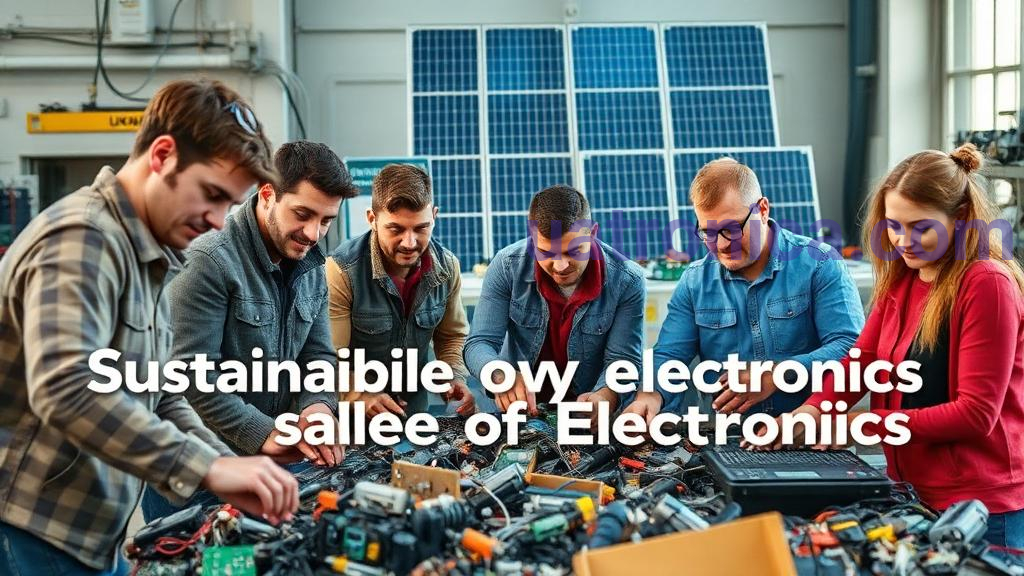
Ukraine has also launched initiatives in the field of eco-friendly electronics. For example, many startups are developing new solutions for collecting and recycling e-waste. These projects not only create new jobs, but also help solve the problem of e-waste at the local level. E-waste collection systems show growing interest from consumers and provide a real basis for developing environmental awareness.
Challenges and obstacles
Technical limitations
Development cost
One of the biggest challenges to implementing green technologies is the high cost of developing new products. Investments in research and development of green technologies can be significant and not all companies are able to make them. This becomes a barrier for many startups and small businesses, so they have to look for alternative financing models.
Technical barriers
Technical barriers, including the lack of infrastructure to support new technologies, can also hold back the process. Many new technologies require specialized equipment for integration, which is not always available. A real challenge is the high cost of investing in new equipment.
Political and economic factors
Government support and regulations
Government support is another important factor influencing the development of green technologies. If the government does not create favorable conditions for the development of green electronics, this can become a serious obstacle. Regulation related to environmental standards can also vary, making it difficult for businesses to adapt to new requirements. In Ukraine, it is necessary to increase the level of transparency and efficiency of regulatory mechanisms.
Global market trends
Electronics markets are changing rapidly, and companies that fail to keep up with global trends may lose their competitive edge. Consumer preferences are also changing, which may affect companies’ green technology strategies. Companies must constantly monitor new trends and adapt their processes accordingly, ensuring flexibility in production.
Conclusion
The prospects for the development of green electronics look promising, but many challenges must be overcome to achieve sustainable development. Engineers and consumers must actively work to implement green technologies in everyday life. Each of us can contribute to reducing the negative impact on the environment by choosing products that are manufactured with environmental standards in mind.
A call to all: actively support green technologies by purchasing meaningful products! Explore the solutions offered on the site UATronica, and be part of the change we need. Stay up to date with new developments in the field of eco-friendly electronics and consider them in your purchases.
More detailed information about environmental technologies can be found on the websites Greenpeace and other authoritative sources. Together we can change the future of electronics and make the world a better place for us and our descendants.