





Introduction
Personalized solutions play a key role in shaping the modern user experience. They allow you to adapt technologies and services to the needs of a specific person, which significantly increases the efficiency of interaction. Today, thanks to the development of artificial intelligence and machine learning algorithms, personalization has become more accessible and commonplace. In this article, we will consider how innovations in personalized technologies affect user psychology and what are the prospects for their development.
Defining and developing personalized technologies
What are personalized solutions?
Personalization solutions are technologies that allow content, products, and services to be tailored to the individual needs of each user. They use data about user behavior and preferences to create a unique experience. Such solutions can be found in many areas, from e-commerce to social media.
For example, platforms like Amazon and Netflix analyze purchase and viewing data to offer users recommendations that match their tastes. This not only increases the likelihood of a purchase, but ultimately influences the decisions the user makes.
The history of the development of personalized technologies
The development of personalized technologies began with simple market segmentation, where companies tried to make sure that their products were relevant to certain groups of consumers. Already in the 1990s, the first systems of recommended content appeared. With the spread of the Internet and the accumulation of large data sets, personalization began to evolve.
Today, thanks to powerful machine learning and artificial intelligence algorithms, personalized solutions are being implemented at a much higher level. However, their benefits come with certain challenges, which we will discuss in more detail below.
The impact of innovation on user psychology
Positive aspects: improved user experience
Personalized solutions have many benefits that significantly improve the user experience. These aspects can be divided into two main factors: user satisfaction and level of engagement.
Increased satisfaction
Personalized technologies allow for the use of preference data, which leads to increased consumer satisfaction. Users feel that their needs and wants are taken into account, and this usually leads to brand loyalty. For example, services that offer personalized recommendations often receive higher ratings from users.
- Engaging users through active recommendations.
- Higher customer retention rates.
- Increasing the duration of product use.
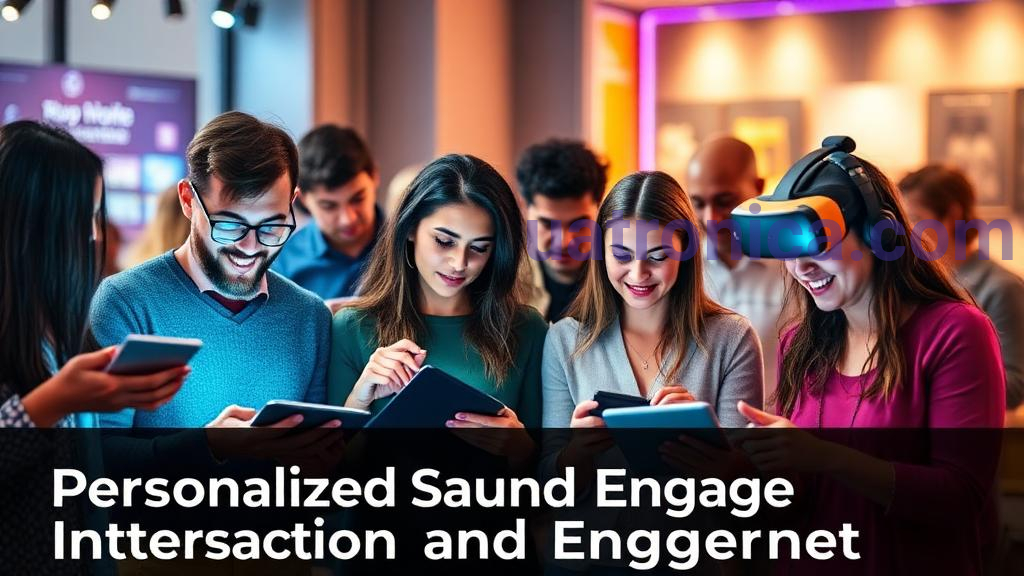
Interactivity and engagement
Interactions with personalized solutions are typically more interactive. Users can interact with products that interest them, which increases their interest and engagement. This factor is important for areas where the emotional factor is important, such as entertainment or social networks.
Research shows that high interactivity can lead to greater user engagement, which in turn leads to increased sales for the company. Market statistics research indicates that personalized elements increase user interest in 200%.
Negative consequences: addiction and social isolation
While personalized solutions bring many benefits, there are also negative consequences, such as the possibility of developing addictions and social isolation.
The emergence of digital addiction
The interactivity and constant availability of personalized technologies can lead to digital addiction. Users can spend significantly more time in front of screens, which negatively affects their physical and mental health. Constant stimulation from mobile applications can lead to wasted time and reduced productivity.
- Signs of addiction: Constant desire to check for new messages.
- Deterioration of social interaction with others.
The "bubble" effect in social networks
Another problem is the “bubble effect”: personalized algorithms select content that confirms a user’s existing beliefs, creating a closed information system. This can lead to atization, where users are not exposed to new ideas and views, which in turn can contribute to the polarization of society.
| Problem | Influence |
|---|---|
| Digital addiction | Deterioration in physical and mental health |
| The "bubble" effect | Polarization of society |
Personalized technologies in modern life
Personal experience: smartphones and apps
Smartphones are an integral part of our lives today, providing access to vast amounts of information and services. Apps that use personalized solutions are able to anticipate the user's needs and provide the most relevant content. For example, fitness apps can adapt workouts based on the user's personal achievements and goals.
Moreover, personalization allows you to create individual routes for navigation, which makes everyday life easier and more convenient. High adaptability of applications on Android and iOS platforms becomes an important factor in users' product choices.
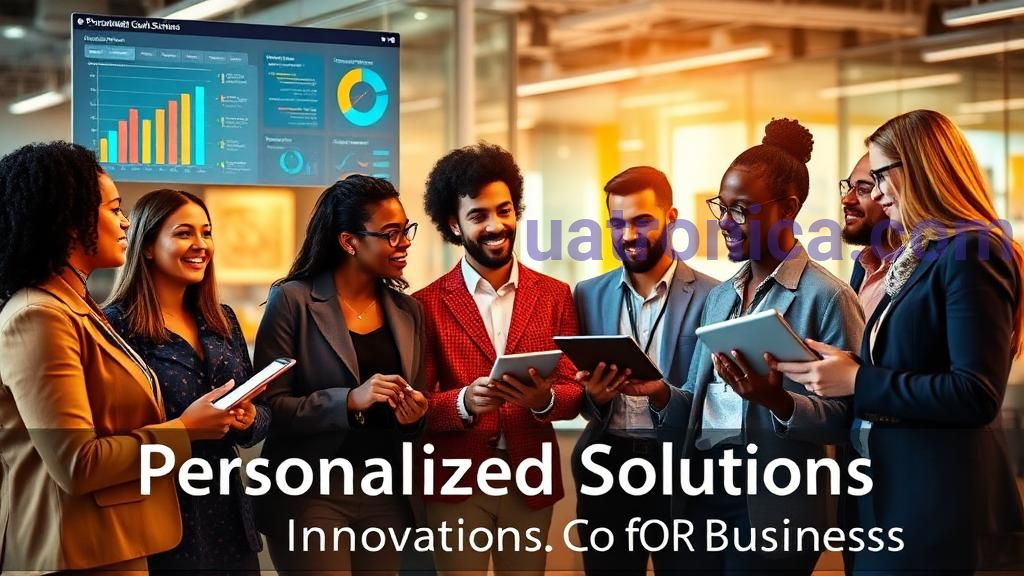
Business and Commerce: Ordering and Service Tools
In business, personalized technologies are used to optimize customer service processes. For example, companies can use purchase data to tailor their advertising campaigns and customer service. This creates a more personalized approach to users, which in turn increases the chances of successful sales.
Companies implementing personalized solutions are turning to electronic components such as interactive panels and sensors, which significantly improve the quality of services. They can be found in stores, for example, Uatronica.
Problems and challenges of implementing personalized technologies
Privacy and data protection issues
The introduction of personalized technologies raises serious privacy issues. The collection of user data can lead to its unintended use. Users are often unaware of what information is being collected about them and how it may be used. The open question of whether users are willing to sacrifice personal information for convenience is becoming increasingly important in times when cybercrime is on the rise.
According to research, about 80% users are concerned about the security of their personal data. This highlights the importance of adhering to ethical standards in the field of data collection and storage.
Ethical issues: manipulation and influencing user decisions
As personalized technologies become more effective, ethical concerns also arise. There is a risk of manipulation that could influence users’ decisions. For example, companies could use personalized recommendations to promote a product that is not best for the consumer but is profitable for the business. This could undermine consumer trust in brands.
Prospects for the development of personalized solutions
Innovations in artificial intelligence
With the development of artificial intelligence, personalized solutions are becoming even more powerful. Algorithms are becoming able to learn from subject data and user interactions, offering increasingly accurate recommendations. Innovations in this area expand the possibilities of personalization, allowing companies to better understand their customers and improve service efficiency. For example, new approaches in natural language processing open up new horizons for interaction between users and systems.
The future of personalized technologies: opportunities and risks
The future of personalized technology promises new opportunities, but also carries risks. It is important to ensure a balance between convenience and ethical responsibility. Consumers need to be aware of how their data is used and demand better protection for their personal data. As technology evolves, organizations must find ways to ensure transparency and trust among their users.
Conclusions
Personalized solutions can indeed significantly improve user experiences and make technology more accessible. However, it is necessary to consider the risks associated with privacy and ethical responsibility. Innovations in this area promise new opportunities and challenges that need to be carefully considered to ensure not only business success, but also social responsibility.
In conclusion, it is important that both users and manufacturers understand the importance of personalized technologies and their impact on the psyche and society. For details on the technologies and components that can make your interactions more personalized, visit Uatronica and read our research on this topic here.